Structure
Industrial Building Contractor in Malaysia
Mar 25 2026
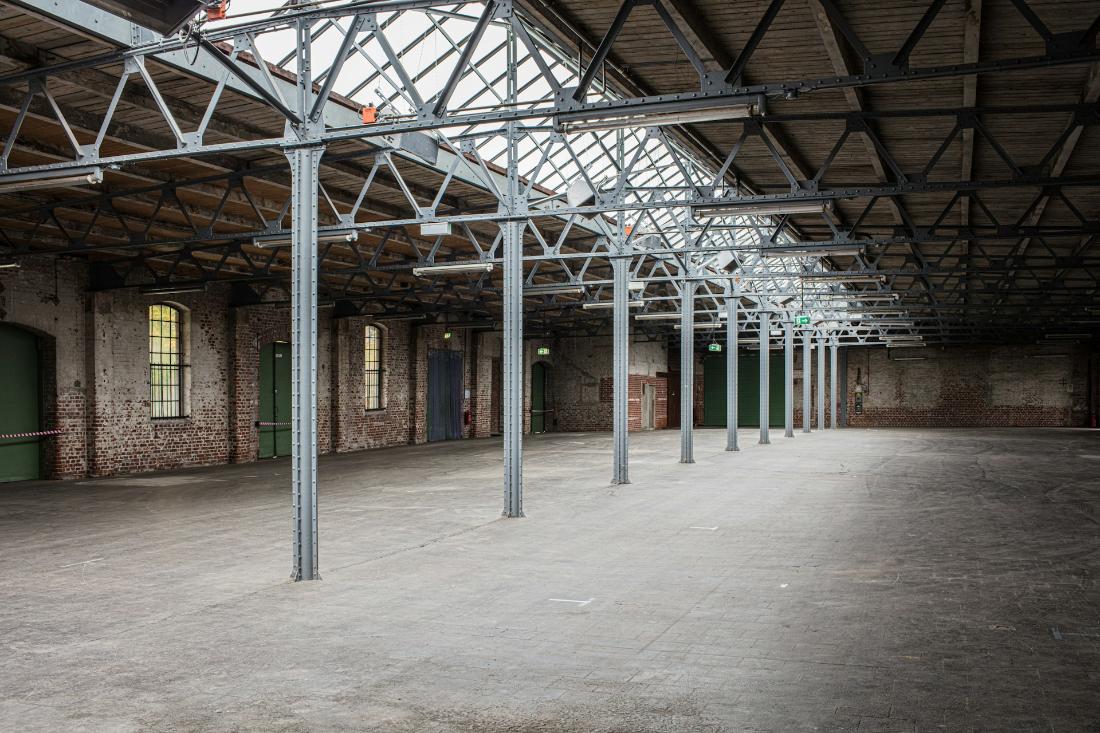
In the landscape of Malaysian industry, there is a quiet but essential truth: before a factory can produce, it must be built. The manufacturing plants, processing facilities, warehouses, and industrial complexes that dot the nation's landscape from Johor to Penang are not merely structures of concrete and steel; they are the physical foundations upon which Malaysia's economic ambitions rest. They house the production lines that supply global markets, the research facilities that drive innovation, and the logistics hubs that connect Malaysia to the world. The professionals who bring these essential facilities to life are industrial building contractors in Malaysia—specialists whose expertise spans structural engineering, project management, and the unique requirements of manufacturing environments.
The industrial building contractor occupies a distinct and demanding niche within Malaysia's construction industry. Unlike residential or commercial contractors, those specialising in industrial projects must understand the specific needs of manufacturing operations: floor slabs engineered to withstand heavy machinery, ceiling heights that accommodate production lines, electrical systems sized for industrial equipment, and ventilation designed for process requirements. The stakes are high; delays in industrial construction translate directly into delayed production, lost revenue, and missed market opportunities for clients. As Triple H Construction & Engineering Sdn. Bhd., a CIDB G7 certified contractor and winner of the 2025 Super Golden Eagle Award, has demonstrated, success in this field demands "precision, safety, and exceptional quality" to ensure projects are delivered on time and within budget .
The range of industrial building contractors in Malaysia reflects the diversity of the sector itself. At one end are specialised players like Triple H, which has positioned itself as a "customised factory building expert" with a team of over 100 trained and certified workers, including quantity surveyors, architects, engineers, consultants, procurement specialists, and project managers . With 200 completed projects and 27 currently in progress, Triple H exemplifies the depth of experience required to excel in industrial construction. The company's focus on quality, safety, and craftsmanship has earned it a reputation as "a trusted, high-quality construction partner" in Johor, with ambitions to expand into Kuala Lumpur and achieve RM300 million in revenue by 2026
The industrial building contractor occupies a distinct and demanding niche within Malaysia's construction industry. Unlike residential or commercial contractors, those specialising in industrial projects must understand the specific needs of manufacturing operations: floor slabs engineered to withstand heavy machinery, ceiling heights that accommodate production lines, electrical systems sized for industrial equipment, and ventilation designed for process requirements. The stakes are high; delays in industrial construction translate directly into delayed production, lost revenue, and missed market opportunities for clients. As Triple H Construction & Engineering Sdn. Bhd., a CIDB G7 certified contractor and winner of the 2025 Super Golden Eagle Award, has demonstrated, success in this field demands "precision, safety, and exceptional quality" to ensure projects are delivered on time and within budget .
The range of industrial building contractors in Malaysia reflects the diversity of the sector itself. At one end are specialised players like Triple H, which has positioned itself as a "customised factory building expert" with a team of over 100 trained and certified workers, including quantity surveyors, architects, engineers, consultants, procurement specialists, and project managers . With 200 completed projects and 27 currently in progress, Triple H exemplifies the depth of experience required to excel in industrial construction. The company's focus on quality, safety, and craftsmanship has earned it a reputation as "a trusted, high-quality construction partner" in Johor, with ambitions to expand into Kuala Lumpur and achieve RM300 million in revenue by 2026
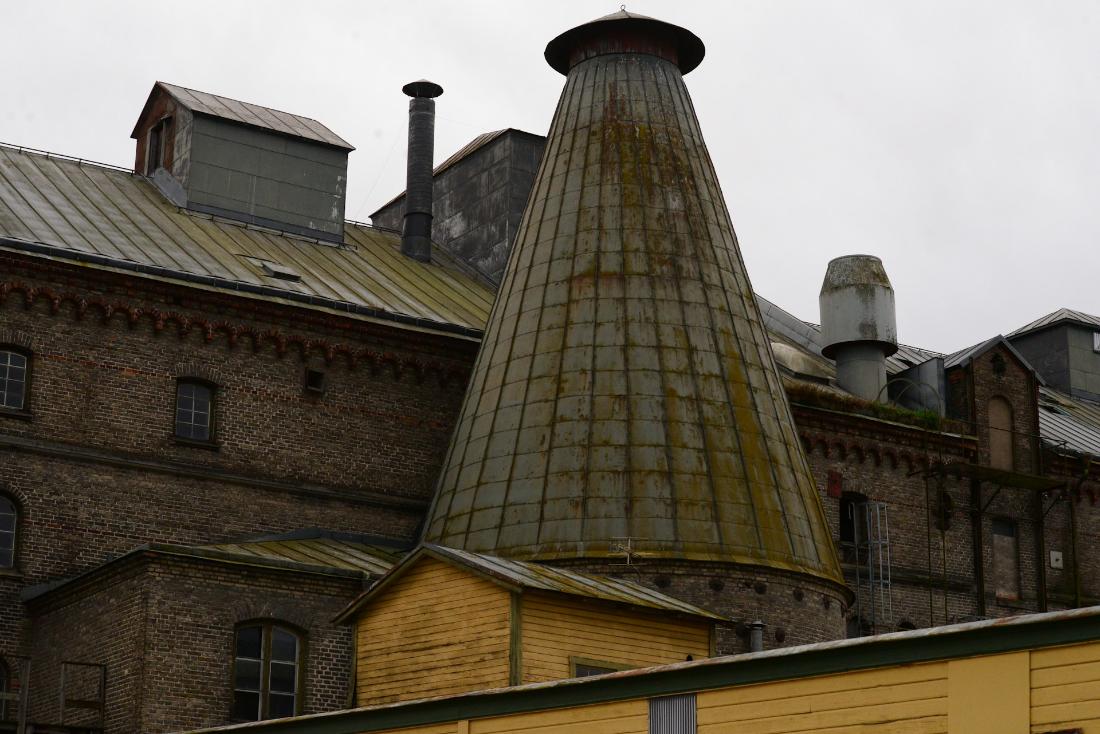
At the other end of the spectrum are major players with international reach and project portfolios that include some of the world's most iconic structures. Eversendai, with over 15,000 employees and a presence across 14 countries, has played a key role in engineering, fabricating, and constructing landmarks including the Burj Khalifa in Dubai, Petronas Tower 2 in Malaysia, and the Museum of the Future in the UAE . The company's seven advanced steel fabrication facilities across Malaysia, Singapore, the Middle East, and India have an annual production capacity exceeding 200,000 tonnes, positioning it as a global leader in turnkey contracts for industrial plants, oil and gas infrastructure, and power generation facilities .
Between these extremes lies a diverse ecosystem of contractors serving Malaysia's industrial development needs. Rimbaco Group Global Limited, founded in 1985 and headquartered in Jelutong, provides general contractor services specialising in factories, including low-rise processing facilities and manufacturing plants, alongside institutional and commercial buildings . The company's longevity in the market speaks to its ability to adapt to changing industrial requirements over four decades.
The role of technology and innovation in industrial building has become increasingly pronounced. MGB Berhad, a subsidiary of LBS Bina Group Berhad, has built its reputation on the integration of Industrialised Building Systems (IBS) into its construction methodology . The company's IBS approach has achieved remarkable efficiencies, including 33 percent savings on construction time, 50 percent savings on labour costs, and a 50 percent reduction in total on-site labour requirements . With more than 32,000 property units completed and 12,000 homes delivered using IBS technology, MGB has demonstrated that industrialised construction methods can deliver quality at scale.
Between these extremes lies a diverse ecosystem of contractors serving Malaysia's industrial development needs. Rimbaco Group Global Limited, founded in 1985 and headquartered in Jelutong, provides general contractor services specialising in factories, including low-rise processing facilities and manufacturing plants, alongside institutional and commercial buildings . The company's longevity in the market speaks to its ability to adapt to changing industrial requirements over four decades.
The role of technology and innovation in industrial building has become increasingly pronounced. MGB Berhad, a subsidiary of LBS Bina Group Berhad, has built its reputation on the integration of Industrialised Building Systems (IBS) into its construction methodology . The company's IBS approach has achieved remarkable efficiencies, including 33 percent savings on construction time, 50 percent savings on labour costs, and a 50 percent reduction in total on-site labour requirements . With more than 32,000 property units completed and 12,000 homes delivered using IBS technology, MGB has demonstrated that industrialised construction methods can deliver quality at scale.
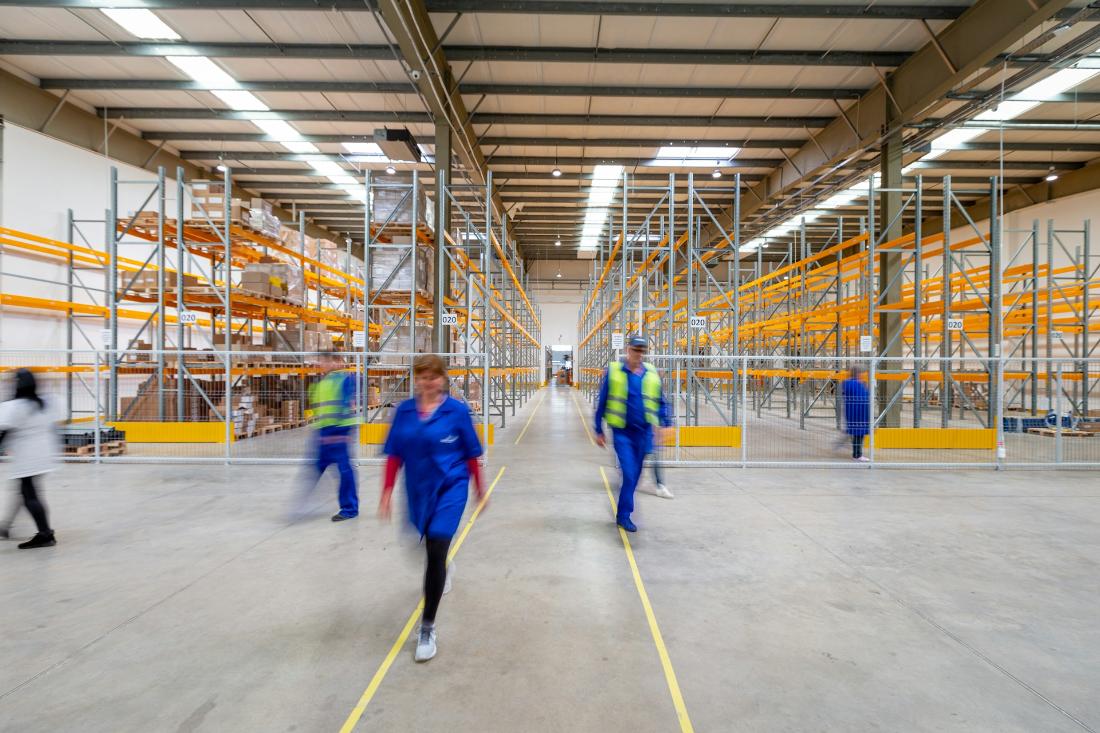
MGB's expansion into the industrial property sector includes the development of the Kertih Terengganu Industrial Park (KTIP), a 1,007-acre site strategically located in Terengganu with infrastructure designed for petrochemical, renewable energy, and advanced manufacturing industries . This integration of construction expertise with property development reflects a broader trend in the Malaysian industrial building sector, where contractors increasingly offer end-to-end solutions that encompass land sourcing, design, construction, and post-construction services .
The industrial building contractor's work is distinguished by the complexity of the structures they create. Unlike residential buildings with standardised layouts, industrial facilities must be tailored to specific manufacturing processes. A food processing plant requires different floor finishes, drainage systems, and sanitary conditions than a semiconductor fabrication facility. A warehouse demands column-free spans for maximum storage efficiency, while a heavy manufacturing plant needs reinforced foundations capable of supporting multi-ton equipment. This diversity requires contractors to maintain deep technical expertise across multiple disciplines.
Companies like ETA World Group, founded in 2014 and based in Selangor, have built their business around this complexity, offering turnkey design and building services for industrial properties . The company's comprehensive approach includes land sourcing, assessments, pre-construction planning, architecture, engineering, procurement, subcontracting, construction, and post-construction services. With an order book of RM165.5 million as of December 2023, ETA World represents the growing demand for integrated industrial construction solutions .
The manufacturing capability of industrial building contractors often extends beyond construction to include the production of building components. Sarawak Consolidated Industries Berhad (SCIB), founded in 1975 and listed on Bursa Malaysia's Main Market, exemplifies this integration. SCIB is the leading precast concrete and IBS manufacturer in East Malaysia, with three integrated factories in Sarawak producing prestressed spun piles, reinforced concrete square piles, concrete pipes, box culverts, prestressed beams, roofing tiles, and IBS components including hollow core slabs, wall panels, columns, and beams . With a CIDB G7 license and ISO 9001:2015 certification, SCIB's technical credentials are matched by its commitment to innovation. Since 2021, the company has introduced lightweight IBS products using materials with lower embodied energy, contributing to more energy-efficient structures with reduced carbon footprints.
The industrial building contractor's work is distinguished by the complexity of the structures they create. Unlike residential buildings with standardised layouts, industrial facilities must be tailored to specific manufacturing processes. A food processing plant requires different floor finishes, drainage systems, and sanitary conditions than a semiconductor fabrication facility. A warehouse demands column-free spans for maximum storage efficiency, while a heavy manufacturing plant needs reinforced foundations capable of supporting multi-ton equipment. This diversity requires contractors to maintain deep technical expertise across multiple disciplines.
Companies like ETA World Group, founded in 2014 and based in Selangor, have built their business around this complexity, offering turnkey design and building services for industrial properties . The company's comprehensive approach includes land sourcing, assessments, pre-construction planning, architecture, engineering, procurement, subcontracting, construction, and post-construction services. With an order book of RM165.5 million as of December 2023, ETA World represents the growing demand for integrated industrial construction solutions .
The manufacturing capability of industrial building contractors often extends beyond construction to include the production of building components. Sarawak Consolidated Industries Berhad (SCIB), founded in 1975 and listed on Bursa Malaysia's Main Market, exemplifies this integration. SCIB is the leading precast concrete and IBS manufacturer in East Malaysia, with three integrated factories in Sarawak producing prestressed spun piles, reinforced concrete square piles, concrete pipes, box culverts, prestressed beams, roofing tiles, and IBS components including hollow core slabs, wall panels, columns, and beams . With a CIDB G7 license and ISO 9001:2015 certification, SCIB's technical credentials are matched by its commitment to innovation. Since 2021, the company has introduced lightweight IBS products using materials with lower embodied energy, contributing to more energy-efficient structures with reduced carbon footprints.
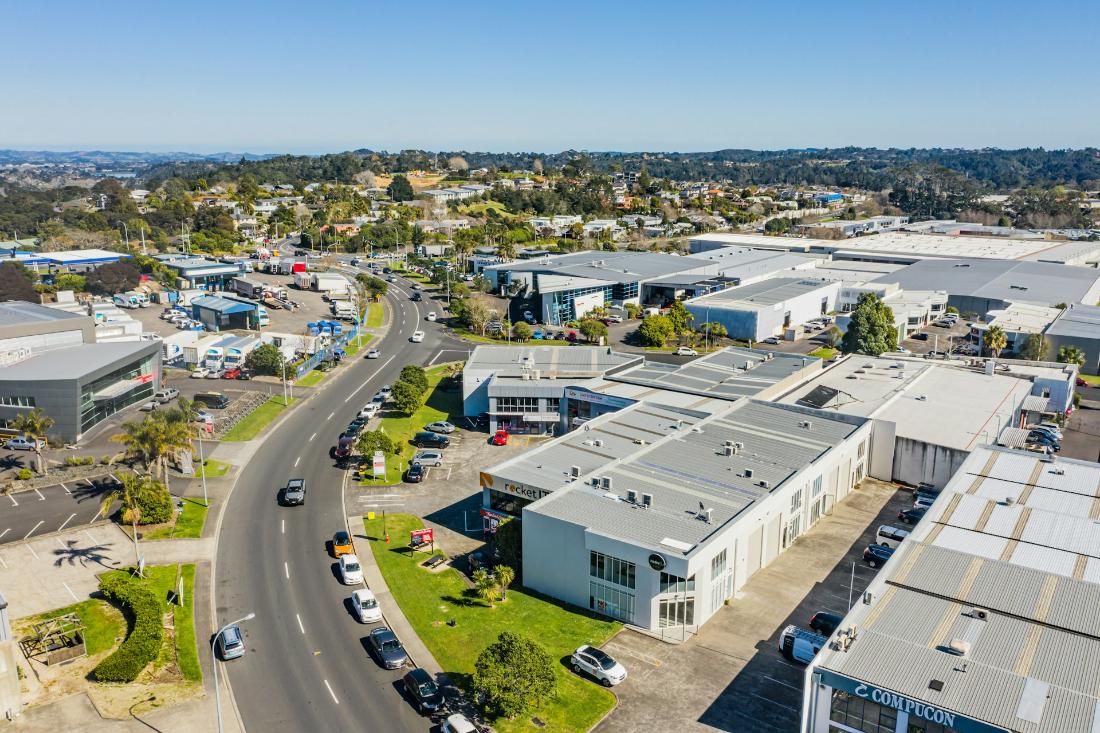
The company's expansion plans include the development of a 22-acre site in Demak Laut Industrial Park near Kuching, which is expected to boost production capacity by nearly 30 percent and contribute positively to earnings from 2026 onward . This investment reflects confidence in the continued growth of Malaysia's industrial construction sector.
Sustainability has emerged as a key consideration for industrial building contractors in Malaysia. Triple H's commitment to "promoting green buildings and sustainable development" demonstrates that environmental responsibility is becoming integral to industrial construction . Similarly, MGB's sustainability initiatives include sourcing 34 percent of electricity consumption from solar power and implementing waste management hierarchies across all project sites .
The industrial building contractor's role extends to infrastructure projects that support industrial development. Companies like Hwa Hin Sdn. Bhd., a G7-licensed contractor based in Johor Bahru with ISO 9001 certification, specialise not only in factories and commercial buildings but also in highways, interchanges, bridges, and earthworks—the essential infrastructure that connects industrial facilities to markets and supply chains . This infrastructure expertise is crucial for industrial parks and large-scale manufacturing complexes where internal roads, drainage systems, and utility connections must be carefully coordinated.
Quality assurance is paramount in industrial construction, where structural failures can have catastrophic consequences. Ixis Corporation Sdn. Bhd., established in 2001 and based in Kajang, has built its reputation on delivering high-quality building solutions across residential, commercial, and industrial sectors . The company's commitment to safety, sustainability, and innovation, combined with its CIDB accreditation and experience on landmark projects for clients including KLCC Urusharta and Telekom Malaysia, positions it as a trusted partner for public and private sector clients .
The regulatory framework governing industrial building contractors in Malaysia is robust, with CIDB certification providing a baseline for quality and safety. Contractors must maintain G7 licenses—the highest classification—to undertake unlimited-value construction projects. Companies like Triple H, SCIB, and Hwa Hin all hold G7 certification, demonstrating their capacity to handle projects of any scale . Additionally, many contractors pursue ISO certifications, with ISO 9001:2015 being the standard for quality management systems.
Sustainability has emerged as a key consideration for industrial building contractors in Malaysia. Triple H's commitment to "promoting green buildings and sustainable development" demonstrates that environmental responsibility is becoming integral to industrial construction . Similarly, MGB's sustainability initiatives include sourcing 34 percent of electricity consumption from solar power and implementing waste management hierarchies across all project sites .
The industrial building contractor's role extends to infrastructure projects that support industrial development. Companies like Hwa Hin Sdn. Bhd., a G7-licensed contractor based in Johor Bahru with ISO 9001 certification, specialise not only in factories and commercial buildings but also in highways, interchanges, bridges, and earthworks—the essential infrastructure that connects industrial facilities to markets and supply chains . This infrastructure expertise is crucial for industrial parks and large-scale manufacturing complexes where internal roads, drainage systems, and utility connections must be carefully coordinated.
Quality assurance is paramount in industrial construction, where structural failures can have catastrophic consequences. Ixis Corporation Sdn. Bhd., established in 2001 and based in Kajang, has built its reputation on delivering high-quality building solutions across residential, commercial, and industrial sectors . The company's commitment to safety, sustainability, and innovation, combined with its CIDB accreditation and experience on landmark projects for clients including KLCC Urusharta and Telekom Malaysia, positions it as a trusted partner for public and private sector clients .
The regulatory framework governing industrial building contractors in Malaysia is robust, with CIDB certification providing a baseline for quality and safety. Contractors must maintain G7 licenses—the highest classification—to undertake unlimited-value construction projects. Companies like Triple H, SCIB, and Hwa Hin all hold G7 certification, demonstrating their capacity to handle projects of any scale . Additionally, many contractors pursue ISO certifications, with ISO 9001:2015 being the standard for quality management systems.
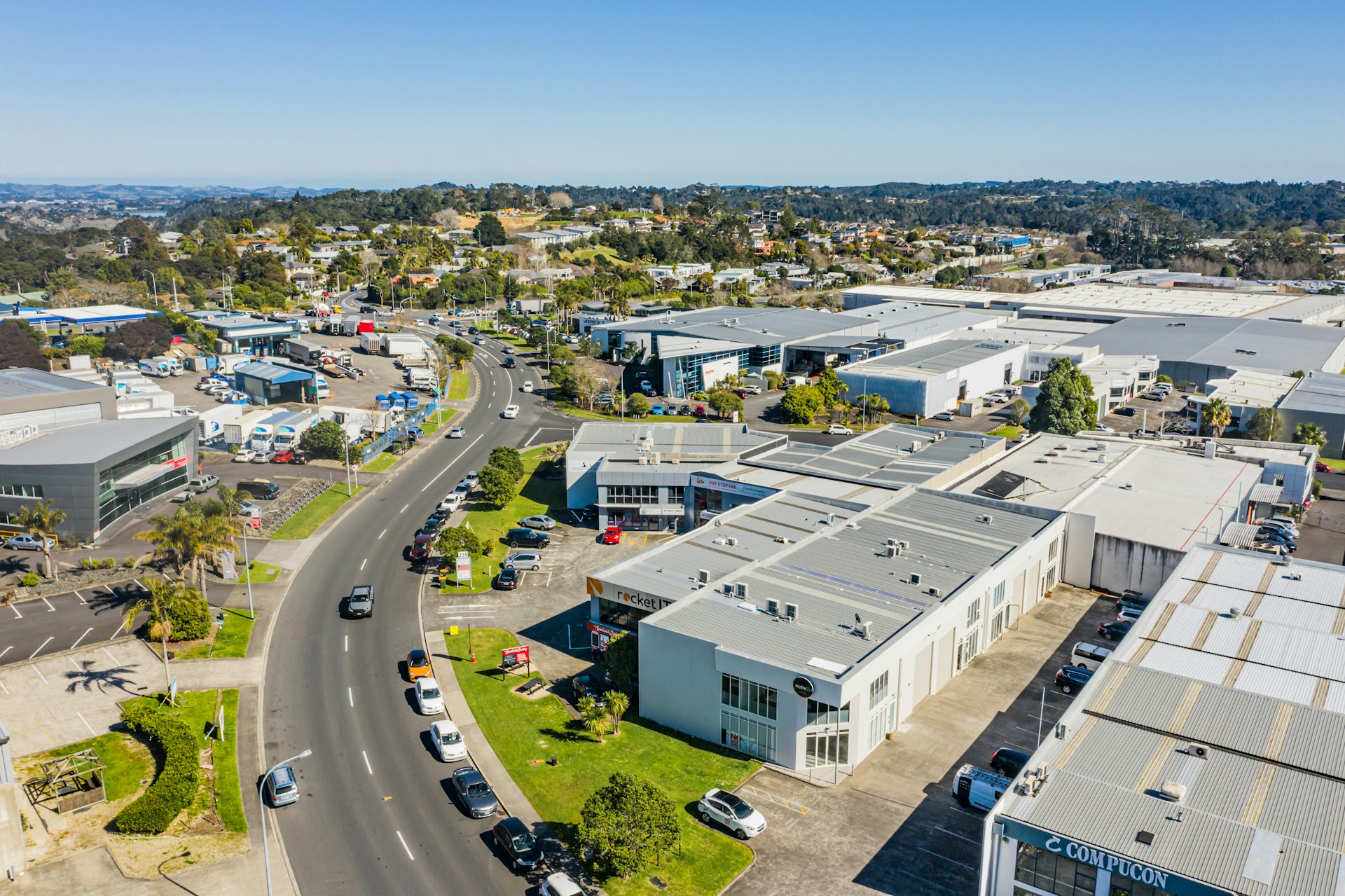
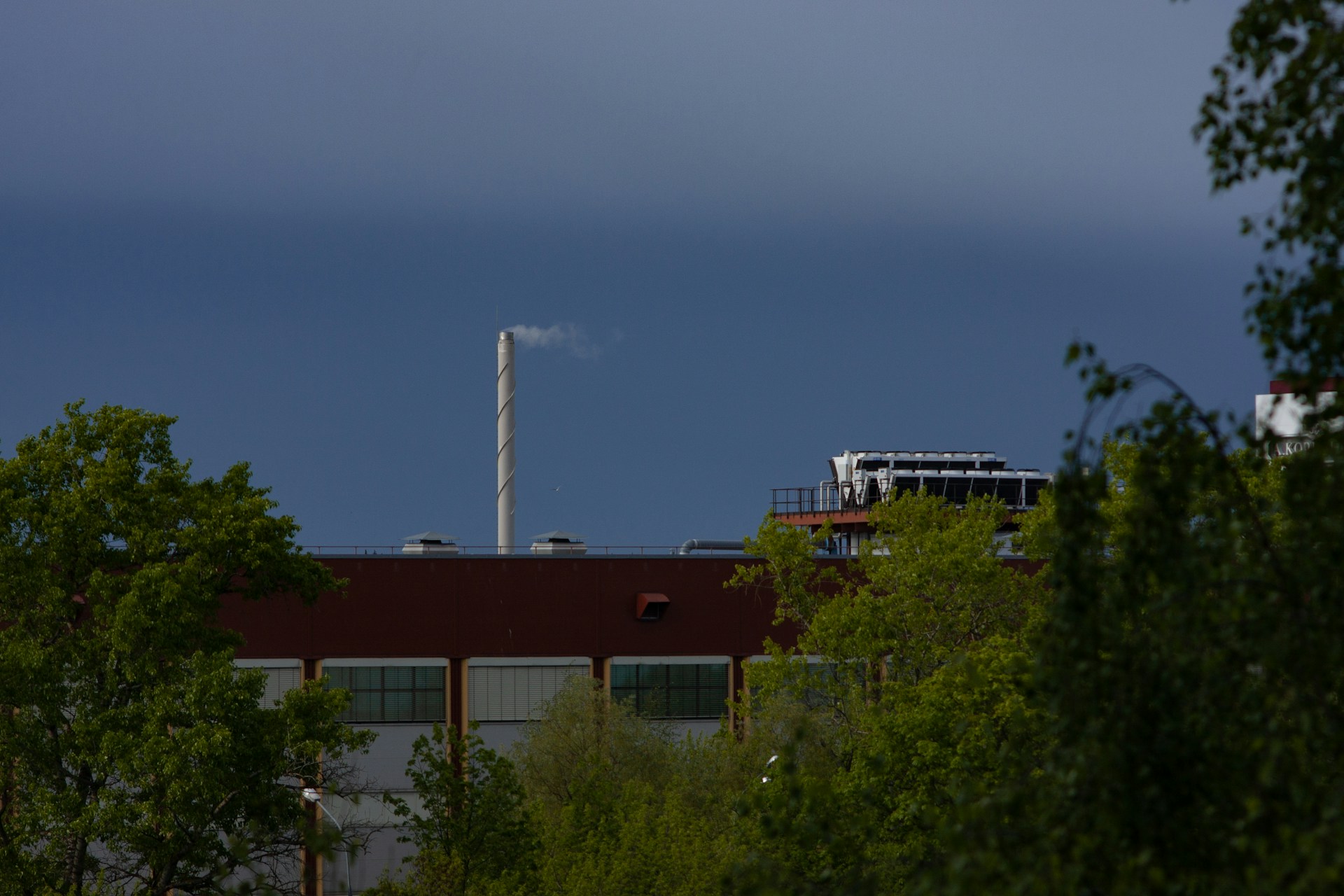
The industrial building contractor's contribution to Malaysia's economy extends beyond the structures they create. The construction of a new factory generates employment during the building phase and, more importantly, creates the capacity for long-term manufacturing employment once operational. In the case of industrial parks like KTIP, the development of infrastructure-ready land attracts investment in petrochemical, renewable energy, and advanced manufacturing sectors, catalysing regional economic growth . The industrial building contractor is thus not merely a service provider but a partner in economic development.
Looking ahead, the industrial building sector in Malaysia faces both opportunities and challenges. The government's focus on attracting foreign direct investment, particularly in high-value manufacturing sectors, creates demand for modern, well-designed industrial facilities. The growth of e-commerce and logistics has driven demand for warehouse and distribution centre construction. The transition to renewable energy presents opportunities for contractors specialising in solar farms and related infrastructure. However, these opportunities come with challenges: rising material costs, skilled labour shortages, and the need to continuously update technical capabilities to meet evolving industrial requirements.
For businesses seeking to build or expand manufacturing facilities in Malaysia, the choice of industrial building contractor is a strategic decision with long-term implications. The right contractor brings not only construction expertise but also an understanding of industrial processes, the ability to integrate complex systems, and the project management capability to deliver on time and within budget. As Triple H's motto suggests, "building dreams" is at the heart of what industrial building contractors do—turning the vision of a new factory into a physical reality that will serve Malaysia's economy for decades to come.
Looking ahead, the industrial building sector in Malaysia faces both opportunities and challenges. The government's focus on attracting foreign direct investment, particularly in high-value manufacturing sectors, creates demand for modern, well-designed industrial facilities. The growth of e-commerce and logistics has driven demand for warehouse and distribution centre construction. The transition to renewable energy presents opportunities for contractors specialising in solar farms and related infrastructure. However, these opportunities come with challenges: rising material costs, skilled labour shortages, and the need to continuously update technical capabilities to meet evolving industrial requirements.
For businesses seeking to build or expand manufacturing facilities in Malaysia, the choice of industrial building contractor is a strategic decision with long-term implications. The right contractor brings not only construction expertise but also an understanding of industrial processes, the ability to integrate complex systems, and the project management capability to deliver on time and within budget. As Triple H's motto suggests, "building dreams" is at the heart of what industrial building contractors do—turning the vision of a new factory into a physical reality that will serve Malaysia's economy for decades to come.